When to Visit an Emergency Dentist
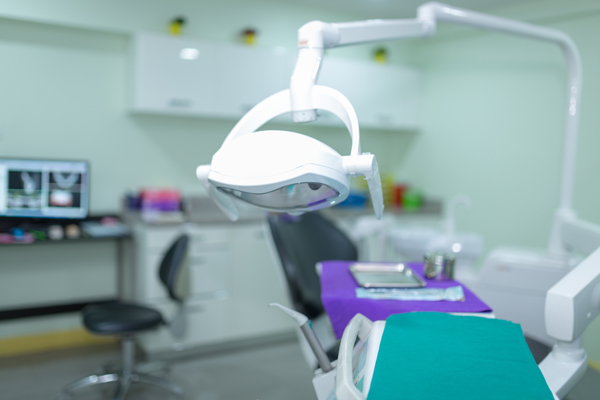
Knowing when you need an emergency dentist can help save teeth, preserve oral health, and prevent serious complications. From sudden tooth pain to dental trauma, understanding the signs that require immediate attention helps ensure timely and effective care. Learning more about the role of an emergency dentist can prepare patients to act quickly in critical situations.
What qualifies as a dental emergency?
A dental emergency requires prompt attention to relieve pain, stop bleeding, or save a tooth. Some emergencies are obvious, such as a knocked-out tooth, while others may develop gradually but still need urgent care. Examples include intense toothaches, abscesses, fractured teeth, or lost crowns or fillings. Ignoring these problems can lead to more serious complications, including infection or permanent damage.
Signs it is time to see an emergency dentist
Severe tooth pain
Persistent and severe tooth pain is a common reason to visit an emergency dentist, especially if over-the-counter pain medicine does not help. This type of oral pain can result from infection, severe decay, or injury.
Swelling or abscesses
Swelling in the gums, face, or jaw often indicates an infection, such as an abscess. If left untreated, this condition can be dangerous, as the infection may spread to other parts of the body. An emergency dentist can provide crucial treatment to control the infection and relieve discomfort.
Knocked-out or loose teeth
Accidents or injuries can result in a knocked-out or loose tooth. The chances of saving the tooth are greater the faster one acts. Patients should keep the tooth moist and bring it to the dental office for evaluation.
Broken or cracked teeth
Cracked or broken teeth can cause severe pain and sensitivity. Immediate care from an emergency dentist can prevent further damage and restore the tooth’s function.
Uncontrolled bleeding
Bleeding in the mouth that does not stop after applying pressure may indicate a serious issue. This bleeding is particularly common after an injury or trauma. An emergency dentist can identify the source of the bleeding promptly and effectively treat it.
What to do before seeing an emergency dentist
Taking the right steps before visiting an emergency dentist can help minimize discomfort and prevent the problem from worsening. Rinsing the mouth with warm salt water can help clean the affected area, while applying a cold compress to the face can reduce swelling.
For a knocked-out tooth, patients should handle it carefully by the crown and avoid touching the root. If the patient cannot put it back in its socket, keeping the tooth moist by placing it in milk or a tooth-preservation solution can improve the chances of successful reattachment.
How an emergency dentist can help
An emergency dentist provides immediate care to address urgent dental issues. They often offer same-day appointments and have the tools and skills needed to handle a variety of dental emergencies. From pain relief to restorative treatments, their expertise ensures that patients receive the care they need to protect their oral health. Emergency dentists also work to prevent complications, such as infections or permanent damage.
Do you know what to do in a dental emergency?
Visiting an emergency dentist at the right time can help prevent long-term dental problems and ensure fast relief from pain and discomfort. By recognizing the signs of a dental emergency and seeking professional care, patients can protect their oral health and avoid complications. Contact the dental office today to learn more about emergency dental services or to schedule an appointment.
Request an appointment here: https://www.mouthdocs.com or call Piper Family Dentistry at (727) 564-9677 for an appointment in our Largo office.
Check out what others are saying about our dental services on Google: Dental Restorations in Largo, FL.
Related Posts
The search for a new restorative dentist often starts when a crown breaks or a filling feels loose or sensitive. Our team is here to help you get your smile back on track quickly. If your tooth feels sharp, painful, or “off” in some way, do not wait to seek help.Dental restorations handle a lot…
Patients often ask about the importance of maintaining oral health before problems arise. A preventive dentist focuses on avoiding dental issues through proactive care, routine checkups, and education. This blog addresses some of the most frequently asked questions related to preventive dentistry.A preventive dentist works to help patients avoid oral health issues such as cavities,…
Teeth whitening can help brighten natural enamel when stains come from foods, drinks, aging, or normal daily habits. Dentist-supervised at-home treatment uses custom trays and whitening gel to create a more controlled process than many store-bought products. However, an in-office visit is still necessary, as our dentist first checks the teeth, gums, and existing dental…
Brushing and flossing every day protects your smile. However, there are times when your teeth need a professional dental cleaning before your standard six-month checkup arrives. Unexpected oral warning signs can surface at any time, even with a thorough daily routine at home. Early action stops simple oral health issues from turning into major problems…