Invisalign Treatment Can Align Your Teeth
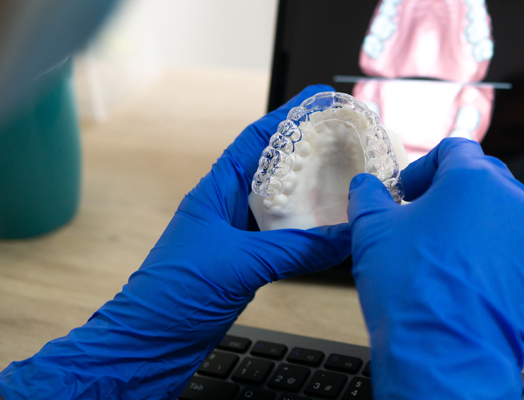
Invisalign® treatment can be used to gradually align your teeth through plastic trays that are replaced approximately every two weeks. In this article, we'll take an in-depth look at how this popular treatment works and why it's one of the most effective ways to achieve straight teeth.
Powerful alternatives to braces
No longer are you stuck with braces as the only solution for fixing your crooked teeth. Thanks to modern treatments, there is a much more subtle, nearly invisible way to straighten your teeth without everyone knowing. They can improve your smile with straighter teeth in a more comfortable, convenient way than traditional orthodontics.
Many people want to fix their teeth
Fortunately, with today's technology, most people can have straighter teeth. Many dentists have turned to use newer treatments to replace traditional braces. Invisalign treatment uses clear aligners. In most cases, you will get a new set of aligners every couple of weeks until your teeth are straightened.
How do you know if you're a good candidate?
The first step in determining whether you're a good candidate for treatment is an initial consultation with a dentist who specializes in them. They will examine your teeth, bite, and jaw during your consultation to determine if you are an appropriate candidate for treatment. While it won't be necessary to do X-rays of your mouth at every visit, they might be required periodically during treatment so that progress can be monitored.
What is the treatment process?
It is an alignment system that uses removable clear aligners to move teeth into position gradually. Each aligner is worn for about two weeks, and then it's swapped out for a new one. Many patients choose it because of its convenience and comfort, as well as its cosmetic appeal; many people wear Invisalign to avoid unsightly metal braces or to have straighter teeth than they're capable of getting with metal braces. Over time, your teeth can become straighter and more aligned—and you won't even notice you're wearing them! They are almost invisible, particularly compared to traditional orthodontic hardware.
How long will it take?
The average treatment takes about 18 to 24 months. It can take longer or shorter than that, depending on how long it takes for your teeth to move into their final position. You'll wear each set of trays for about two weeks before you get new ones.
Each set of trays has different aligners, so you'll need to visit your dentist regularly for checkups and new trays. In between visits, though, it's important to wear your aligners as much as possible. The more time you wear them, the faster your teeth will move! Over time you'll likely need accessories like a retainer to keep your teeth in their final place.
Talk to your dentist about Invisalign
Invisalign may be the right solution for a straighter smile. If you are unsure, consult with your dentist to learn more. You can weigh the pros and cons for yourself in order to make the right choice for your dental health.
Are you considering Invisalign® braces in the Largo area? Get more information at https://www.mouthdocs.com.
Check out what others are saying about our dental services on Google: Invisalign in Largo, FL.
Related Posts
Teeth whitening can help brighten natural enamel when stains come from foods, drinks, aging, or normal daily habits. Dentist-supervised at-home treatment uses custom trays and whitening gel to create a more controlled process than many store-bought products. However, an in-office visit is still necessary, as our dentist first checks the teeth, gums, and existing dental…
Brushing and flossing every day protects your smile. However, there are times when your teeth need a professional dental cleaning before your standard six-month checkup arrives. Unexpected oral warning signs can surface at any time, even with a thorough daily routine at home. Early action stops simple oral health issues from turning into major problems…
General dentist support eases anxious minds and guides comfortable care delay avoidance. Dental anxiety affects many people, often causing harmful postponement of routine checkups. Understanding why fear arises and learning proven coping strategies can empower every patient to enter the dental office with confidence.According to a 2017 article published in the Journal of Dental Hygiene…
A general dentist offers a wide range of dental services designed to maintain and improve oral health. From routine check-ups to more specialized treatments, a general dentist is equipped to address the diverse needs of patients. These services not only focus on treating dental issues but also emphasize the importance of prevention and overall wellness.…